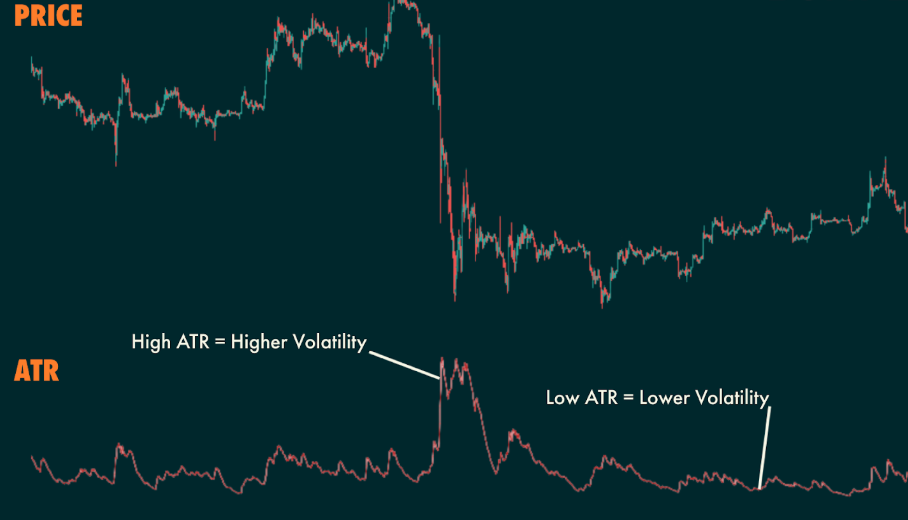
Introduction to Bitcoin Price Volatility
The bitcoin price is widely known for its volatility, which reflects the evolving nature of the digital asset market. Unlike traditional financial instruments, Bitcoin trades continuously across global exchanges, making it highly responsive to changing market conditions.
Volatility has been a defining characteristic throughout Bitcoin’s development. While it introduces uncertainty, it also highlights the market’s ability to absorb information quickly and reprice assets efficiently.
Structural Factors Behind Market Volatility
Bitcoin’s decentralized structure contributes to its price behavior. With no central authority controlling supply or market operations, pricing is driven entirely by open-market activity. Sudden shifts in demand or supply can therefore produce noticeable price movements.
The limited supply of Bitcoin intensifies these effects. As availability tightens, even moderate increases in demand can result in significant price changes.
Liquidity and Trading Activity
Liquidity plays a major role in determining the intensity of bitcoin price fluctuations. Higher liquidity levels reduce the impact of large trades, allowing the market to function more smoothly. Lower liquidity environments, by contrast, can amplify price swings.
As the market has grown, increased participation from institutional and retail investors has gradually improved liquidity, contributing to more controlled price movement compared to earlier years.
Influence of Market Sentiment
Market sentiment strongly affects bitcoin price volatility. Positive sentiment driven by adoption news or favorable regulations often encourages buying pressure. Negative sentiment, such as regulatory concerns or macroeconomic stress, can lead to rapid selling.
Sentiment-driven trading reflects the speculative nature of emerging markets. As investor education and market infrastructure improve, sentiment-based reactions are becoming more measured over time.
Impact of External Economic Events
External economic conditions often influence bitcoin price behavior. Global financial instability, inflationary pressures, and currency fluctuations can increase interest in Bitcoin as a value-preserving asset.
Conversely, periods of economic confidence may shift investor focus toward traditional assets. These changing preferences contribute to periodic volatility while reinforcing Bitcoin’s role within diversified portfolios.
Risk Management and Market Maturity
Understanding volatility is essential for effective risk management. As the Bitcoin market matures, tools such as futures, options, and regulated investment products help participants manage exposure more effectively.
These developments contribute to improved price discovery and a more balanced market environment, reducing extreme volatility over longer time frames.
Long-Term Implications of Volatility
Despite short-term fluctuations, long-term bitcoin price trends demonstrate sustained growth and increasing stability. Volatility has gradually decreased as adoption expands and market depth improves.
This evolution reflects Bitcoin’s transition from an experimental asset to a recognized component of the global financial ecosystem.
Conclusion
The bitcoin price remains volatile due to its decentralized structure, limited supply, and evolving market dynamics. However, volatility also represents opportunity, innovation, and growth within a developing financial system.
A clear understanding of market behavior and risk dynamics allows participants to navigate price movements with greater confidence and long-term perspective.