
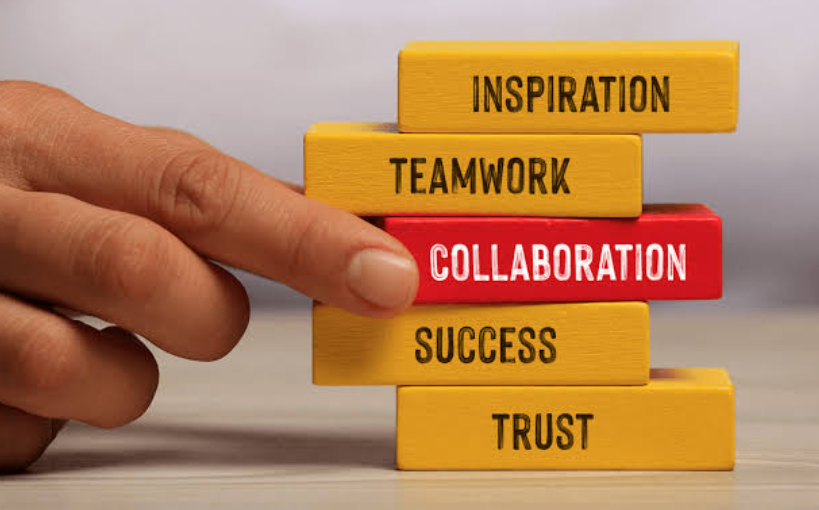
No matter what kind of job you do, there’s a good chance you’ll need to work with other people. You might collaborate on projects, share responsibilities, help new employees, or communicate with colleagues from different departments.
That’s why teamwork questions appear in so many job interviews.
Employers want to understand whether you can cooperate with different personalities, communicate clearly, and contribute to shared goals.
Knowing how to answer questions about cooperation and teamwork can help you demonstrate these qualities through genuine workplace experiences.
Understand Why Teamwork Matters to Employers
Companies depend on employees working together to complete tasks and solve problems.
Even jobs that involve considerable independent work usually require some level of coordination.
When interviewers ask about teamwork, they’re looking beyond whether you enjoy working with others.
They want to know how you contribute to a group, handle disagreements, and support colleagues when challenges arise.
Your answer should show that you recognize both your individual responsibilities and the importance of collective success.
Choose a Specific Teamwork Experience
Think about a project or situation where cooperation helped achieve a result.
Maybe your team needed to complete an important assignment within a limited period.
Perhaps you helped a colleague understand a complicated task while managing your own workload.
Choose an experience where your contribution is easy to explain.
Instead of making a general statement about being a team player, share an example that demonstrates your behavior.
Real situations make your answer more convincing.
Explain Your Role in the Team
One common mistake is discussing everything the team accomplished without explaining your personal involvement.
Employers want to understand what you actually contributed.
You might explain that you organized shared information, communicated updates, or helped coordinate responsibilities.
For example:
“During a busy project, our team needed to complete several tasks before a deadline. I helped organize the workload and made sure everyone had the information necessary to complete their assignments.”
This shows cooperation while clearly identifying your role.
Highlight Communication and Flexibility
Successful teamwork usually requires people to listen, share ideas, and adapt when circumstances change.
Describe how you communicated with other team members.
Did you participate in discussions, listen to different suggestions, or adjust your approach when someone offered a better solution?
These details can demonstrate professional maturity.
If you’re exploring career opportunities through หางาน, preparing teamwork examples can help you answer questions about collaboration, communication, and workplace relationships.
One genuine experience can sometimes illustrate several valuable skills.
Discuss How You Handle Different Opinions
Team members won’t always agree, and that’s normal.
Employers appreciate people who can discuss differences respectfully.
Perhaps you and a colleague disagreed about how to organize a project.
Instead of turning the disagreement into a personal issue, you compared the available approaches and selected a practical solution.
Explain how you considered the other person’s perspective.
This shows that you value cooperation rather than simply trying to prove your own ideas are correct.
Share the Team’s Results
After discussing your contribution, describe the outcome.
Did the team finish the assignment on schedule? Improve a process? Resolve a customer issue?
Be honest about the results and recognize the contributions of others.
When preparing to สมัครงาน for another opportunity, remember that employers often look for candidates who can work independently while supporting shared objectives.
Final Thoughts
Answering questions about cooperation and teamwork is easier when you focus on real experiences rather than generic statements.
Choose a relevant example, explain your individual role, and describe how you communicated with others.
You don’t need to present yourself as the leader of every project.
Sometimes, being a reliable, respectful, and supportive team member is exactly what an employer wants to see.


